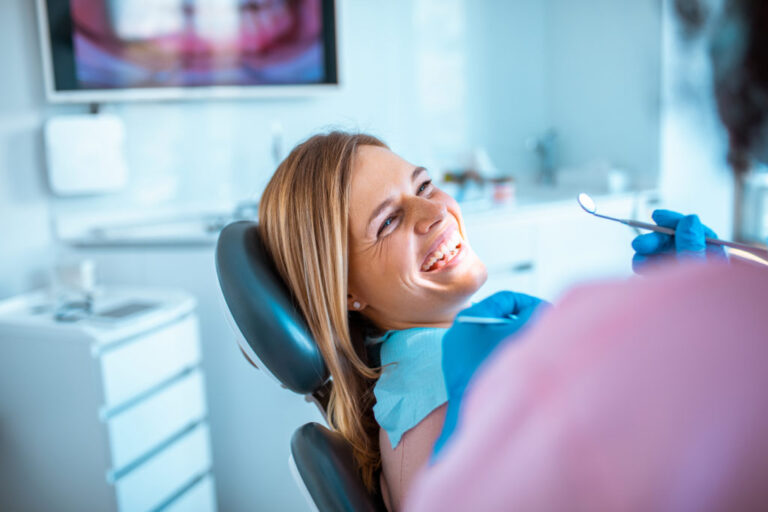
Understanding the Emotional Journey Towards a Better Smile
As many dental professionals know, including a cosmetic dentist Thames Ditton, the decision to seek cosmetic dental treatment extends far beyond mere vanity or superficial concerns. When individuals contemplate transforming their smile, they embark on a deeply personal psychological journey that intertwines self-perception, social confidence, and emotional wellbeing. The motivations behind choosing cosmetic dentistry reveal fascinating insights into human psychology and the profound impact that dental aesthetics have on quality of life.
Research demonstrates that dental appearance significantly influences how people perceive themselves and how they believe others perceive them. Those who feel self-conscious about their teeth often develop coping mechanisms such as covering their mouth when laughing, avoiding photographs, or limiting social interactions. These behavioural patterns highlight the psychological benefits of a confident smile and why so many people eventually seek professional intervention to address their concerns.
The Role of Self-Perception in Dental Decisions
Self-image plays a pivotal role in the decision-making process when considering cosmetic dental procedures. Many individuals report that dissatisfaction with their smile affects their confidence in professional settings, romantic relationships, and everyday social encounters. This psychological burden can accumulate over years, eventually reaching a tipping point where the desire for change outweighs any apprehension about dental treatment.
The relationship between dental aesthetics and self-esteem has been extensively documented by dental professionals and psychologists alike. When people feel uncomfortable with their smile, it can manifest as a constant source of anxiety that permeates various aspects of their lives. Choosing to consult with a cosmetic dentist represents a proactive step towards reclaiming control over one’s appearance and, by extension, one’s confidence.
Social Influences and Cultural Expectations
Contemporary society places considerable emphasis on physical appearance, with smiles featuring prominently in social media, professional networking, and first impressions. This cultural context shapes individual expectations and can amplify existing insecurities about dental imperfections. However, the decision to pursue cosmetic dentistry often stems from personal desires rather than purely external pressures.
The Impact of Media and Professional Environments
The prevalence of polished, professional images across various platforms has normalised the pursuit of aesthetic enhancement. Individuals working in client-facing roles or industries where appearance matters particularly report feeling motivated to improve their smile. This professional consideration, combined with personal aspirations, creates a compelling case for cosmetic dental intervention that addresses both practical and emotional needs.
Psychological Barriers and Overcoming Hesitation
Despite the clear benefits, many people experience significant psychological barriers before committing to cosmetic dentistry. Common concerns include fear of dental procedures, anxiety about the financial investment, and uncertainty about achieving desired results. Understanding the feelings behind patient decision-making helps dental professionals provide appropriate support and guidance throughout the treatment journey.
The process of overcoming these hesitations often involves thorough research, consultations with qualified professionals, and hearing testimonials from others who have undergone similar transformations. When individuals finally decide to proceed, it typically represents a significant psychological milestone where hope for positive change supersedes lingering doubts or fears.
The Transformation Effect on Wellbeing
The psychological impact of cosmetic dental treatment extends well beyond the physical transformation itself. Patients frequently report experiencing enhanced confidence, increased willingness to engage socially, and improved overall life satisfaction following their procedures. These outcomes validate the initial decision and demonstrate that cosmetic dentistry and confidence share an intrinsic connection that benefits a positive outlook.
The ripple effects of smile transformation often surprise patients, with improvements noted in professional opportunities, relationship dynamics, and general self-assurance. This holistic enhancement reinforces the understanding that cosmetic dentistry addresses psychological needs as much as aesthetic ones, making it a worthwhile investment in personal development and emotional wellbeing.
Making an Informed Choice for Your Future
The psychology behind choosing cosmetic dentistry reveals a complex interplay of personal aspirations, social factors, and emotional needs. When seeking treatment from a cosmetic dentist, individuals embarking on this journey demonstrate courage and self-awareness. The decision to transform one’s smile represents an investment in confidence, happiness, and the freedom to express oneself without reservation. By understanding the psychological dimensions of this choice, prospective patients can approach cosmetic dentistry with clarity, realistic expectations, and optimism for the positive changes ahead.