Categories
Dental

The Psychology Behind Choosing to Transform Your Smile Through Cosmetic Dentistry

Estimated read time 4 min read

Understanding the Emotional Journey Towards a Better Smile

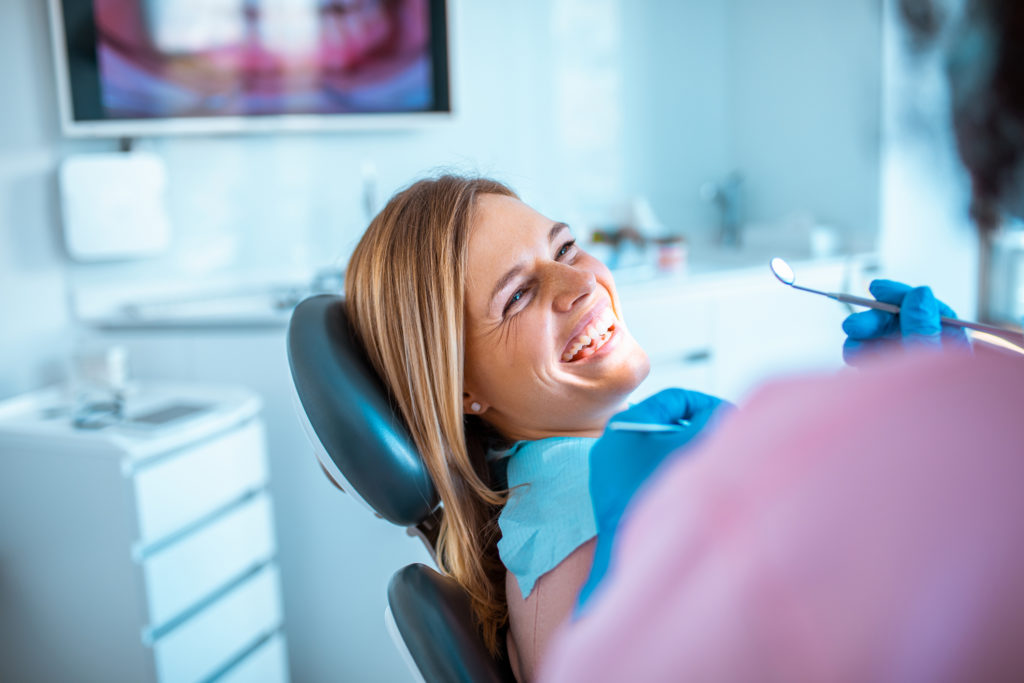
As many dental professionals know, including a cosmetic dentist Thames Ditton, the decision to seek cosmetic dental treatment extends far beyond mere vanity or superficial concerns. When individuals contemplate transforming their smile, they embark on a deeply personal psychological journey that intertwines self-perception, social confidence, and emotional wellbeing. The motivations behind choosing cosmetic dentistry reveal fascinating insights into human psychology and the profound impact that dental aesthetics have on quality of life.

Research demonstrates that dental appearance significantly influences how people perceive themselves and how they believe others perceive them. Those who feel self-conscious about their teeth often develop coping mechanisms such as covering their mouth when laughing, avoiding photographs, or limiting social interactions. These behavioural patterns highlight the psychological benefits of a confident smile and why so many people eventually seek professional intervention to address their concerns.

The Role of Self-Perception in Dental Decisions

Self-image plays a pivotal role in the decision-making process when considering cosmetic dental procedures. Many individuals report that dissatisfaction with their smile affects their confidence in professional settings, romantic relationships, and everyday social encounters. This psychological burden can accumulate over years, eventually reaching a tipping point where the desire for change outweighs any apprehension about dental treatment.

The relationship between dental aesthetics and self-esteem has been extensively documented by dental professionals and psychologists alike. When people feel uncomfortable with their smile, it can manifest as a constant source of anxiety that permeates various aspects of their lives. Choosing to consult with a cosmetic dentist represents a proactive step towards reclaiming control over one’s appearance and, by extension, one’s confidence.

Social Influences and Cultural Expectations

Contemporary society places considerable emphasis on physical appearance, with smiles featuring prominently in social media, professional networking, and first impressions. This cultural context shapes individual expectations and can amplify existing insecurities about dental imperfections. However, the decision to pursue cosmetic dentistry often stems from personal desires rather than purely external pressures.

The Impact of Media and Professional Environments

The prevalence of polished, professional images across various platforms has normalised the pursuit of aesthetic enhancement. Individuals working in client-facing roles or industries where appearance matters particularly report feeling motivated to improve their smile. This professional consideration, combined with personal aspirations, creates a compelling case for cosmetic dental intervention that addresses both practical and emotional needs.

Psychological Barriers and Overcoming Hesitation

Despite the clear benefits, many people experience significant psychological barriers before committing to cosmetic dentistry. Common concerns include fear of dental procedures, anxiety about the financial investment, and uncertainty about achieving desired results. Understanding the feelings behind patient decision-making helps dental professionals provide appropriate support and guidance throughout the treatment journey.

The process of overcoming these hesitations often involves thorough research, consultations with qualified professionals, and hearing testimonials from others who have undergone similar transformations. When individuals finally decide to proceed, it typically represents a significant psychological milestone where hope for positive change supersedes lingering doubts or fears.

The Transformation Effect on Wellbeing

The psychological impact of cosmetic dental treatment extends well beyond the physical transformation itself. Patients frequently report experiencing enhanced confidence, increased willingness to engage socially, and improved overall life satisfaction following their procedures. These outcomes validate the initial decision and demonstrate that cosmetic dentistry and confidence share an intrinsic connection that benefits a positive outlook.

The ripple effects of smile transformation often surprise patients, with improvements noted in professional opportunities, relationship dynamics, and general self-assurance. This holistic enhancement reinforces the understanding that cosmetic dentistry addresses psychological needs as much as aesthetic ones, making it a worthwhile investment in personal development and emotional wellbeing.

Making an Informed Choice for Your Future

The psychology behind choosing cosmetic dentistry reveals a complex interplay of personal aspirations, social factors, and emotional needs. When seeking treatment from a cosmetic dentist, individuals embarking on this journey demonstrate courage and self-awareness. The decision to transform one’s smile represents an investment in confidence, happiness, and the freedom to express oneself without reservation. By understanding the psychological dimensions of this choice, prospective patients can approach cosmetic dentistry with clarity, realistic expectations, and optimism for the positive changes ahead.

Categories
Dental

Redefining Dental Care with Emotional Intelligence Techniques

Estimated read time 4 min read

The Evolution of Modern Dental Practice

The landscape of dental care has undergone a remarkable transformation in recent years, moving beyond the traditional clinical approach to embrace a more holistic understanding of patient needs. This shift recognises that successful dental treatment extends far beyond technical proficiency, encompassing the emotional and psychological aspects of patient care. The dentist in Epping are increasingly acknowledging that emotional intelligence plays a pivotal role in creating positive treatment experiences and fostering long-term patient relationships.

Emotional intelligence in dentistry represents a paradigm shift from the conventional model of care delivery. Rather than focusing solely on procedures and techniques, practitioners are now developing skills that allow them to connect with patients on a deeper level. This approach recognises that dental anxiety, fear, and apprehension are common experiences that can significantly impact treatment outcomes and patient satisfaction.

Understanding Emotional Intelligence in Dental Settings

Emotional intelligence encompasses several key components that are particularly relevant to dental practice. Self-awareness allows practitioners to recognise their own emotional responses and maintain composure during challenging situations. Self-regulation enables them to manage stress and remain calm when dealing with anxious or difficult patients. Social awareness helps dental professionals read patient cues and respond appropriately to unspoken concerns.

The application of these skills creates an environment where patients feel understood and valued. When a dentist in Epping demonstrates genuine empathy and emotional awareness, patients are more likely to communicate openly about their concerns, follow treatment recommendations, and maintain regular dental visits. This collaborative approach transforms the patient experience from one of endurance to one of partnership.

Practical Applications of Emotional Intelligence Techniques

Building Rapport Through Active Listening

Active listening forms the foundation of emotionally intelligent dental care. This technique involves giving patients undivided attention, acknowledging their concerns, and responding with empathy. Practitioners who master this skill create an atmosphere of trust and understanding that significantly reduces patient anxiety. The process begins from the moment patients enter the practice, with staff members trained to recognise emotional cues and respond appropriately.

Research has demonstrated the profound impact of emotional intelligence on dental practice success. Studies on emotional intelligence in dental practice have shown that practitioners who develop these skills experience improved patient satisfaction, reduced complaint rates, and enhanced professional fulfilment.

Managing Patient Anxiety Through Emotional Awareness

Dental anxiety affects a significant portion of the population, often leading to delayed or avoided treatment. Emotionally intelligent practitioners develop sophisticated techniques for recognising and addressing these concerns. They learn to identify subtle signs of distress, such as changes in body language, speech patterns, or breathing. By acknowledging these emotions and providing reassurance, dental professionals can help patients feel more comfortable and in control of their treatment experience.

The implementation of emotional intelligence techniques often involves creating personalised approaches for different patient types. Some individuals respond well to detailed explanations of procedures, whilst others prefer minimal information and gentle distraction. Skilled practitioners adapt their communication style to match each patient’s emotional needs, creating a tailored experience that promotes comfort and cooperation.

The Impact on Practice Culture and Team Dynamics

Emotional intelligence extends beyond patient interactions to encompass the entire practice environment. Teams that embrace these principles develop stronger working relationships, improved communication, and enhanced problem-solving capabilities. This positive culture naturally translates into improved patient care, as staff members who feel valued and understood are more likely to extend the same consideration to patients.

Contemporary research continues to validate the importance of emotional intelligence in healthcare settings. Recent studies on emotional intelligence applications in dental care have highlighted the correlation between emotionally intelligent practices and improved clinical outcomes. These findings support the growing movement towards incorporating emotional intelligence training into dental education and continuing professional development programmes.

The integration of emotional intelligence techniques also benefits practitioners personally, reducing burnout and increasing job satisfaction. When dental professionals feel equipped to handle challenging emotional situations, they experience less stress and greater confidence in their abilities. This positive cycle reinforces the value of emotional intelligence training and encourages continued development of these crucial skills.

Shaping the Future of Dental Care

The incorporation of emotional intelligence techniques represents a fundamental shift in how dental care is conceived and delivered. As more practitioners recognise the value of these approaches, patients across the country benefit from more compassionate, understanding, and personalised care. Modern dental professionals are embracing emotional intelligence as an essential component of comprehensive patient care, ensuring that technical excellence is matched by emotional competence. This evolution promises a future where dental visits are characterised by understanding, respect, and genuine care for patient wellbeing.

Any surgical or invasive procedure carries risks. Before proceeding you should seek a second opinion from an appropriately qualified health practitioner.

Categories
Dental

Unlocking the Hidden Benefits of Invisalign for Oral Health

Estimated read time 2 min read

Clear aligners are often introduced as a discreet way to straighten teeth, yet the “hidden” story many people enjoy learning is how alignment can support day-to-day oral care habits for Invisalign Bournemouth.

Cleaning becomes simpler when alignment improves

When teeth sit in positions that are easier to access with a toothbrush and interdental cleaning tools, routines can feel more straightforward. Many patients find that improved alignment encourages consistency, because it becomes easier to reach the areas that matter.

A helpful way to explore the wider relationship between orthodontics, alignment, and oral health is through reviews of malocclusion and periodontal considerations in the academic literature: orthodontic alignment and periodontal outcomes.

Bite balance and wear patterns

Another under-discussed benefit is how orthodontic finishing can support a more balanced bite. When contact points are distributed more evenly, teeth may experience forces in a more harmonious way. For many readers, this is the moment orthodontics shifts from “cosmetic” to “whole-mouth function”.

Eating, chewing, and everyday comfort

Chewing is one of those functions most people do not think about until something feels slightly off. Orthodontics often aims to improve how teeth meet, which can influence the efficiency of chewing and the overall feel of the bite.

For readers who like exploring functional and patient-reported outcomes through research, PubMed searches can quickly surface relevant trials and reviews: orthodontics, bite function, and quality of life.

Evidence-based context

For a broader evidence overview of clear aligner therapy, including effectiveness and clinical considerations, this systematic review remains a strong academic anchor: clear aligner therapy systematic review.

Categories
Dental

Integrating Wellness Strategies into Dental Website Design

Estimated read time 4 min read

The Evolution of Modern Dental Practice Presentation

The landscape of dental practice marketing has undergone a remarkable transformation in recent years, with practitioners increasingly recognising the profound connection between oral health and overall well-being. This shift has created an exciting opportunity for dental professionals to reimagine their online presence, moving beyond traditional service listings to embrace a more holistic approach to patient care and communication in dental websites.

Modern patients arrive at dental practices with heightened awareness of health interconnectedness, seeking providers who understand that oral health extends far beyond the confines of the mouth. This evolving patient mindset presents dental professionals with a unique chance to differentiate their practices through thoughtful integration of wellness principles into their digital platforms.

Understanding the Wellness-Dentistry Connection

The relationship between oral health and systemic wellness has gained substantial recognition within the medical community, with research consistently demonstrating links between dental health and conditions such as cardiovascular disease, diabetes, and mental health challenges. Research on oral health’s impact on overall well-being continues to reveal the intricate connections that exist within the human body’s various systems.

Contemporary dental websites have the opportunity to educate patients about these connections whilst positioning the practice as a comprehensive wellness partner rather than merely a service provider. This approach not only enhances patient understanding but also elevates the perceived value of dental care within the broader health spectrum.

Strategic Wellness Integration Approaches

Holistic Content Development

Effective wellness integration begins with a thoughtful content strategy that addresses the multifaceted nature of health. Practices can develop educational resources that explore topics such as nutrition’s impact on oral health, the relationship between stress and dental conditions, and the role of sleep quality in maintaining healthy teeth and gums.

These educational materials serve dual purposes: they demonstrate the practice’s commitment to comprehensive patient care whilst establishing authority within the wellness space. Patients increasingly value healthcare providers who take time to explain the broader implications of treatment decisions and preventive measures.

Design Elements That Promote Well-being

Visual design plays a crucial role in conveying wellness messages effectively. Colour palettes that evoke tranquillity, imagery that suggests balance and vitality, and typography that feels approachable yet professional all contribute to creating an online environment that aligns with wellness principles.

The incorporation of calming design elements helps reduce the anxiety often associated with dental visits, creating a digital experience that mirrors the welcoming atmosphere progressive practices strive to achieve in their physical spaces. This visual harmony between online presence and in-person experience reinforces the practice’s commitment to patient comfort and well-being.

Patient-Centric Wellness Features

Interactive Health Assessment Tools

Forward-thinking practices are incorporating interactive elements that allow patients to assess their oral health risks and understand connections to their overall wellness. These tools might include questionnaires that evaluate lifestyle factors affecting dental health, risk calculators for periodontal disease, or educational quizzes that highlight the importance of preventive care.

Such interactive features transform passive website visitors into engaged participants in their health journey, fostering a sense of ownership and responsibility that extends beyond the dental chair. This engagement model aligns perfectly with contemporary healthcare trends that emphasise patient empowerment and shared decision-making.

Comprehensive Service Integration

Modern websites can effectively showcase how traditional dental services contribute to broader wellness goals. For instance, sleep apnoea treatment can be presented not merely as a dental service but as a pathway to improved energy, cognitive function, and cardiovascular health. Similarly, cosmetic procedures can be framed within the context of mental health and self-confidence.

This reframing helps patients understand the true value proposition of dental care whilst positioning the practice as a comprehensive wellness partner. Dental strategies that support mental health and well-being represent an increasingly important aspect of modern practice philosophy.

Professional Resources and Continuing Education

Successful wellness integration requires ongoing commitment to professional development and evidence-based practice. Practitioners benefit from staying current with research developments and best practices in both dental care and wellness approaches. Professional wellness resources for dental practitioners provide valuable guidance for those seeking to enhance their holistic care capabilities.

This commitment to continuous learning demonstrates to patients that the practice remains at the forefront of healthcare innovation, building trust and confidence in the services provided.

Building Lasting Patient Relationships Through Wellness Integration

The integration of wellness strategies into websites promoting dentists represents more than a marketing approach; it reflects a fundamental shift towards comprehensive patient care that acknowledges the interconnected nature of human health. Practices that successfully implement these strategies create stronger patient relationships, improve health outcomes, and establish themselves as leaders in the evolving healthcare landscape.

Categories
Dental

Botox: Enhancing Oral Health Through Innovative Dental Applications

Estimated read time 4 min read

The Evolution of Dental Care

Modern dentistry has witnessed remarkable advancements in recent years, with innovative treatments expanding far beyond traditional oral care procedures. One particularly noteworthy development is the integration of Botox into dental practices, offering patients comprehensive solutions for both aesthetic and therapeutic needs. For those seeking Botox Tunbridge Wells, these dental applications represent a fascinating merger of cosmetic enhancement and oral health management.

Understanding Dental Botox Applications

Therapeutic Benefits

Whilst many associate Botox primarily with cosmetic treatments, dental professionals increasingly utilise Botox for various therapeutic applications in oral healthcare. The treatment has shown remarkable efficacy in addressing numerous dental and facial conditions, including temporomandibular joint (TMJ) disorders, bruxism, and chronic facial pain.

Clinical Applications

Dental practitioners have discovered that Botox can effectively treat various oral health conditions. When administered by qualified professionals, these treatments can provide significant relief for patients suffering from:

  • Teeth grinding and clenching
  • Jaw tension and associated headaches
  • Excessive gummy smiles
  • Facial muscle spasms

The Science Behind Dental Botox

Understanding the mechanism of Botox in dental treatments reveals its effectiveness in managing oral health conditions. The neurotoxin works by temporarily blocking nerve signals that cause muscle contractions, thereby reducing tension and associated symptoms. This targeted approach allows dental professionals to address specific areas of concern whilst maintaining normal facial function.

Treatment Process and Safety

When administered in a dental setting, Botox treatments follow strict protocols to ensure patient safety and optimal results. The procedure typically involves:

  1. Comprehensive facial assessment
  2. Detailed treatment planning
  3. Precise injection techniques
  4. Careful monitoring of results

Modern dental practices offering Botox treatments maintain high standards of care, ensuring that patients receive safe and effective treatment options for their oral health concerns. This integration of Botox into dental practices represents a significant advancement in comprehensive oral healthcare management.

Integrating Botox into Modern Dental Care

The incorporation of Botox treatments into dental practices has revolutionised the approach to comprehensive oral healthcare. Dental professionals now have additional tools at their disposal to address both functional and aesthetic concerns, providing patients with more complete treatment options under one roof.

Patient Benefits and Outcomes

Patients seeking Botox Tunbridge Wells services through dental practices often report multiple advantages. The convenience of receiving treatment from practitioners who thoroughly understand facial anatomy and oral health conditions ensures optimal results. Additionally, dental professionals can provide comprehensive care that addresses both cosmetic concerns and functional issues simultaneously.

Preventative Applications

Recent developments in dental Botox applications have revealed significant preventative benefits, particularly in managing conditions that might otherwise lead to more serious oral health issues. By addressing muscle tension and grinding early, practitioners can help prevent tooth wear, jaw problems, and chronic pain conditions from developing or worsening.

The Future of Dental Botox Treatments

As research continues and techniques evolve, the role of Botox in dentistry is expected to expand further. Emerging applications may include:

  • Enhanced pain management protocols
  • Advanced aesthetic dental procedures
  • Innovative therapeutic applications
  • Improved treatment combinations

Advancing Oral Healthcare

The integration of Botox treatments into dental practices represents a significant step forward in oral healthcare. By combining traditional dental procedures with innovative Botox applications, practitioners can offer more comprehensive solutions for their patients’ needs. As Botox Tunbridge Wells and similar services continue to evolve, patients can expect increasingly sophisticated and effective treatment options for both therapeutic and aesthetic concerns.

The future of dentistry lies in this holistic approach to oral health, where conventional treatments work alongside modern innovations to provide optimal patient outcomes. As more dental professionals incorporate these advanced techniques into their practices, patients will benefit from more comprehensive and effective treatment options, ultimately leading to better oral health and improved quality of life.