The Growing Shift Towards Permanent Tooth Replacement Solutions
The landscape of restorative dentistry has evolved significantly over recent decades, with patients increasingly seeking tooth replacement solutions that offer stability, comfort and long-term reliability. Whilst removable dentures have served countless individuals for generations, they can present challenges such as slipping, discomfort and damage that may lead to unexpected visits to the emergency dentist. Understanding how modern alternatives, including dental implants Northern Ireland, address these concerns helps explain why many patients are considering more secure, fixed solutions.
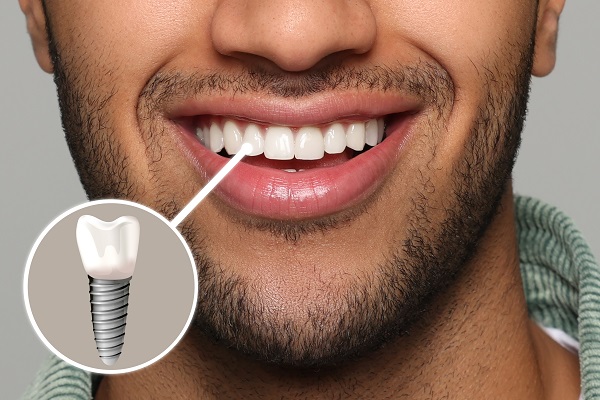
Emergency dental visits caused by denture-related complications can be stressful, disruptive and inconvenient, particularly when problems arise unexpectedly. Fortunately, advances in dental technology have made it possible to replace missing teeth with solutions designed to provide greater stability and function. Dental implants, which are placed within the jawbone to support replacement teeth, offer an alternative to removable dentures and can help patients enjoy greater confidence when eating, speaking and smiling. Understanding the potential benefits of these fixed restorations can help patients make informed decisions about their long-term oral health.
Common Emergency Scenarios Associated with Removable Dentures
Fractures and Breakages During Normal Use
One of the most frequent reasons denture wearers find themselves seeking urgent dental care involves the physical breakdown of their prosthetics. Acrylic denture bases, whilst designed to be durable, can crack or fracture when subjected to the forces of daily chewing, particularly when biting into harder foods. These breakages rarely occur at convenient moments, often happening during meals or social occasions, leaving individuals unable to eat properly or feeling self-conscious about their appearance.
The structural integrity of removable prosthetics becomes increasingly compromised over time, as repeated stress and the natural wear of materials take their toll. When a denture breaks, it typically requires immediate professional attention to prevent further damage or discomfort. Many patients find themselves unable to wear the damaged prosthetic at all, which can affect nutrition, speech, and confidence until repairs can be completed.
Soft Tissue Injuries and Irritation
Another prevalent complication that sends denture wearers to emergency appointments involves injuries to the delicate tissues of the mouth. As dentures shift during eating or speaking, they can create friction against the gums, cheeks, and tongue, leading to painful sores and ulcerations. These injuries can become particularly problematic when they develop into infections, requiring prompt medical intervention. Research has shown that denture-related oral mucosal lesions affect a substantial proportion of denture wearers.
The fit of removable dentures changes over time due to bone resorption, a natural process that occurs when teeth are missing. This progressive change means that even well-fitting dentures eventually become loose, increasing the likelihood of movement and subsequent tissue damage. Those considering dental implants Northern Ireland clinics offer often cite these recurring comfort issues as a primary motivation for seeking permanent alternatives.
Dislodgement and Swallowing Hazards
Perhaps one of the most alarming emergency situations involves dentures becoming dislodged during eating, coughing, or even sleeping. Loose dentures can partially detach, creating choking hazards or causing panic when they shift unexpectedly. In rare but serious cases, individuals have accidentally swallowed portions of broken dentures or experienced airway obstruction, necessitating immediate medical attention. These incidents understandably cause considerable anxiety, with many denture wearers becoming increasingly cautious about eating in public or engaging in normal activities.
How Permanent Solutions Eliminate These Complications
Superior Stability Through Osseointegration
The fundamental advantage of fixed dental solutions lies in their integration with the jawbone through a process called osseointegration. This biological bonding creates a stable foundation that eliminates the movement responsible for many denture-related emergencies. Without the shifting and slipping that characterises removable prosthetics, patients can eat, speak, and laugh with confidence, knowing their teeth will remain securely in place regardless of the circumstances.
This stability also means that the forces of chewing are distributed evenly throughout the jaw, much like natural teeth. The absence of pressure points reduces the risk of soft tissue damage and eliminates the sore spots that frequently plague denture wearers. Many patients report that they can return to enjoying foods they had long avoided, without fear of damaging their prosthetics or experiencing discomfort.
Durability and Material Advantages
Fixed dental solutions typically utilise materials such as titanium and high-grade ceramics, which offer exceptional strength and longevity. These materials resist the fractures and breakages common with acrylic dentures, significantly reducing the likelihood of emergency repairs. When comparing the longevity of different tooth replacement options, permanent solutions consistently demonstrate superior durability over extended periods.
The maintenance requirements for fixed dental work also differ considerably from removable options. Without the need for adhesives, overnight soaking, or constant adjustments, patients experience fewer complications overall. Those researching the practical differences between dental restoration methods will discover that fixed solutions require only standard oral hygiene practices similar to natural teeth.
Moving Forward with Confidence
The reduction in emergency dental visits represents just one of many advantages that permanent tooth replacement solutions offer over traditional removable prosthetics. By eliminating the mechanical failures, tissue injuries, and dislodgement issues associated with dentures, these modern approaches provide patients with peace of mind and improved quality of life. For those experiencing recurring complications with removable prosthetics, exploring fixed alternatives may prove transformative in both comfort and convenience.